

Observation worksheet · Example
Hay to spring pasture, one horse
- System and questionQuestion 1
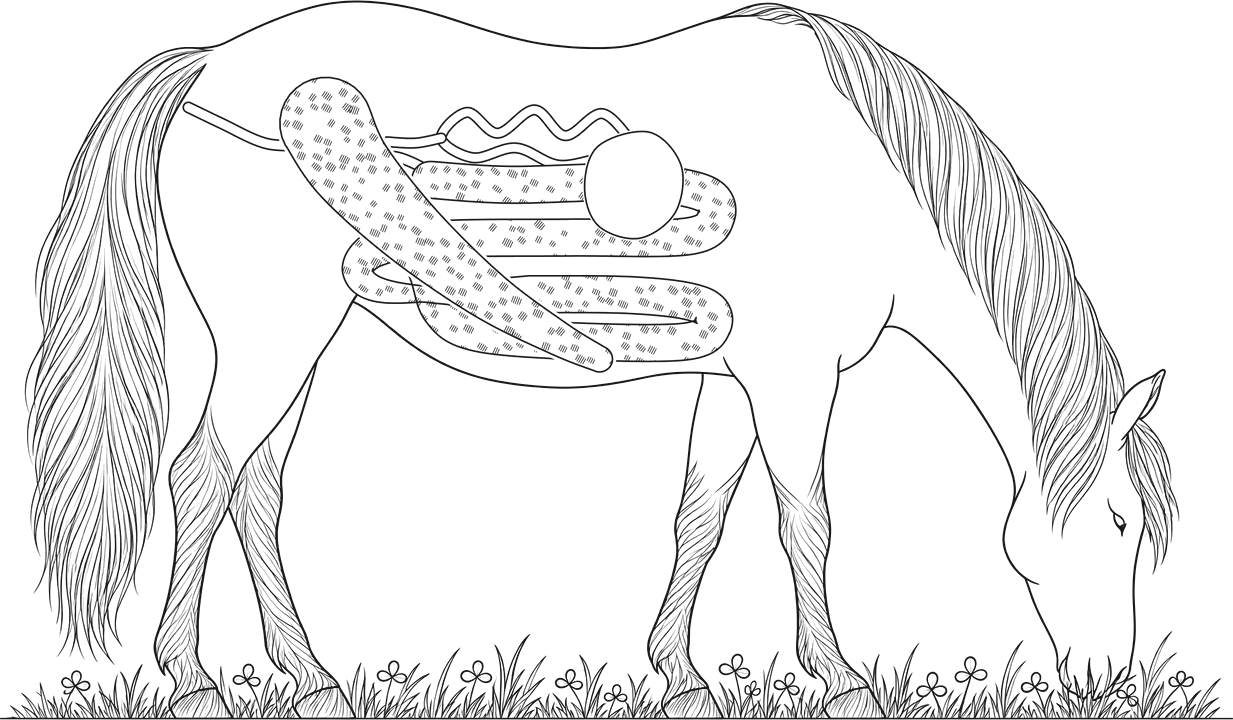
- Horses. One adult gelding moving from hay to spring pasture over two weeks. How do manure consistency and appetite change through the transition?
- BaselineQuestion 2
- Two weeks of notes before the change: hay type and amount, turnout hours, water, manure consistency each morning, appetite and body condition score. Dental and deworming dates checked.
- Management changesQuestion 2
- Planned: time on pasture lengthened step by step over 14 days, hay reduced as turnout grew. Unplanned: a cold, wet spell in week one, and a new horse in the next paddock on day 9.
- Evidence consultedQuestion 3
- Last spring’s notes for the same horse, and the veterinarian’s standing advice to change forage gradually.
- MeasuresQuestion 4
- Manure consistency, described in the same words by the same person each morning. Appetite at each feed. Body condition score and a weight-tape reading.
- TimingQuestion 4
- Daily through the 14 days of the change and the 14 days after. Body condition and weight tape on days 0, 14 and 28.
- ObservationsQuestion 5
- Looser manure on days 4 to 7, back to its usual form by day 12. Appetite and body condition unchanged.
- Alternative explanationsQuestion 5
- The wet spell, a different water source in the field, the new neighbour, and ordinary day-to-day variation. One horse with no comparison cannot separate the pasture from the weather.
- Next stepsQuestion 5
- Keep the step-by-step schedule for the next transition and record the weather beside it. Raise the looser days at the next routine veterinary visit. Contact the veterinarian promptly about any sign of colic, pain or lameness.